
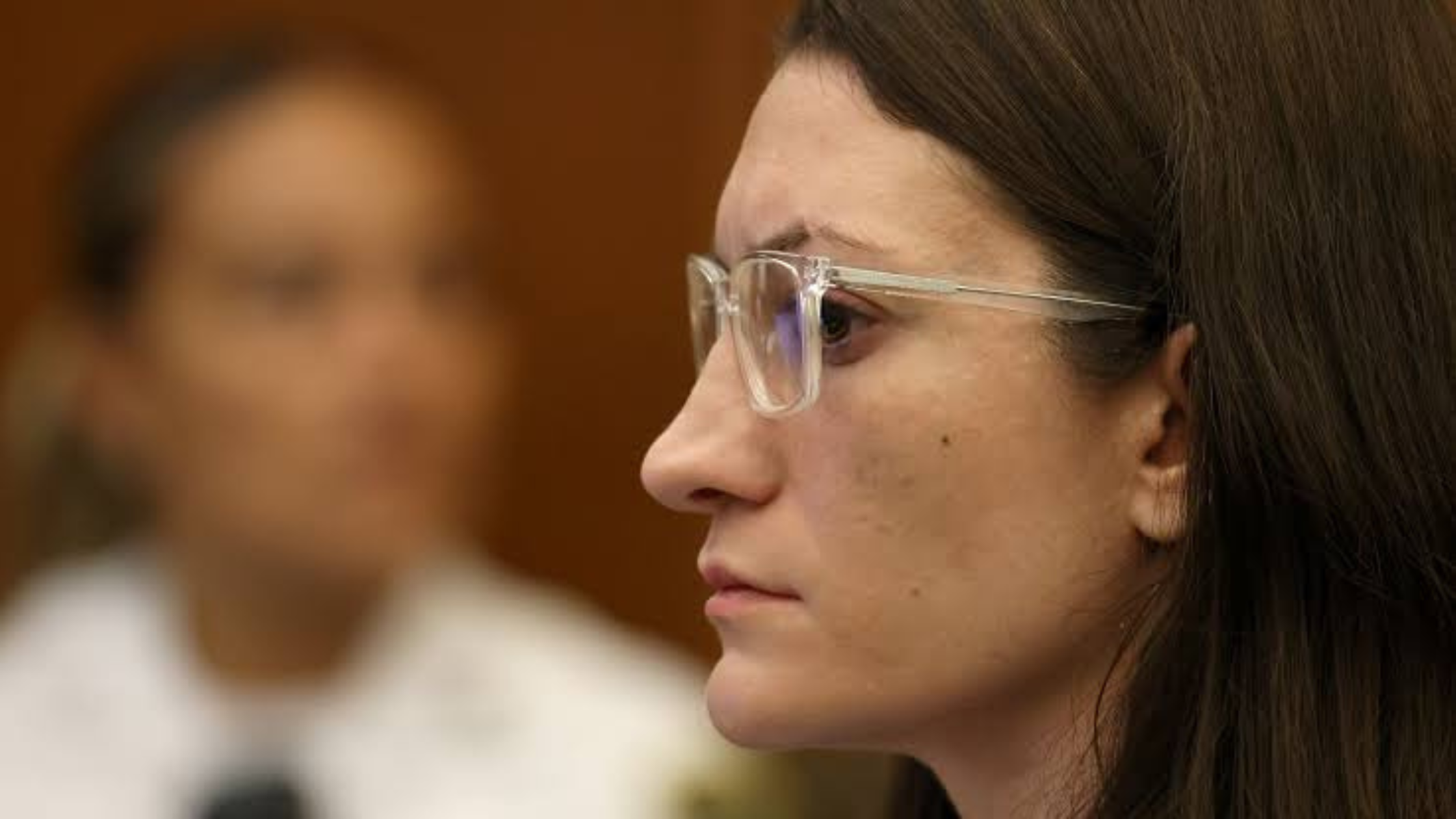
The ongoing Lindsay Clancy trial has brought an extraordinarily difficult subject into the national conversation: maternal mental health.
Clancy, a Massachusetts mother and former labor and delivery nurse, is on trial in connection with the January 2023 deaths of her three children. Her mental health in the months and days before their deaths has become central to the case.
Her defense argues that she was suffering from postpartum psychosis and other serious psychiatric symptoms that impaired her criminal responsibility. Prosecutors dispute that account and argue that her actions were intentional. Testimony during the trial has detailed a complicated history of depression, severe anxiety, insomnia, psychiatric treatment, and multiple medications.
The court will ultimately determine the legal questions surrounding Lindsay Clancy.
But outside the courtroom, this trial has opened the door to a much broader—and desperately needed—conversation:
Are we giving mothers enough support, information, and freedom from stigma to talk honestly about their mental health?
And when a woman is struggling, does she feel empowered to discuss every reasonable question she has about treatment—including questions about psychiatric medication, therapy, lifestyle interventions, cannabis, and cannabinoids?
She should.
Postpartum Depression and Anxiety Are Real Health Conditions
The postpartum period can be full of joy, but it can also bring enormous physical, hormonal, emotional, and social change.
Perinatal mood and anxiety disorders are among the most common complications of pregnancy and the first year after birth, yet these conditions can still go undiagnosed or undertreated.
Postpartum depression, or PPD, may involve persistent sadness, hopelessness, guilt, difficulty concentrating, loss of interest or pleasure, changes in appetite or sleep, disconnection, and difficulty functioning.
Postpartum anxiety, or PPA, can look different.
It may involve:
- Constant or excessive worry
- Racing thoughts
- Panic
- Physical tension
- Difficulty sleeping even when given the opportunity
- Repetitive checking behaviors
- A persistent sense that something terrible is going to happen
- Distressing intrusive thoughts
These symptoms do not mean someone is a bad mother.
They mean that she may need support and care.
And importantly, both postpartum depression and postpartum anxiety are treatable.
Postpartum Depression Is Not the Same as Postpartum Psychosis
The attention surrounding the Lindsay Clancy trial makes this distinction particularly important.
Postpartum depression, postpartum anxiety, and postpartum psychosis are not interchangeable conditions.
Postpartum psychosis is rare and significantly more acute. It can involve hallucinations, delusions, paranoia, severe confusion, disorganized thinking, mania, and an impaired ability to distinguish reality.
It is a psychiatric emergency requiring immediate medical attention.
Most women who experience postpartum depression or anxiety will never experience postpartum psychosis and are not a danger to their children.
Conflating these diagnoses can actually make maternal mental health stigma worse. A mother experiencing depression, anxiety, or unwanted intrusive thoughts may become afraid to tell anyone what she is feeling because she fears how those symptoms will be interpreted.
That silence can make it harder for her to get help.
We need to make it safer, not scarier, for women to speak honestly about what is happening inside their minds.
There Is No One-Size-Fits-All Postpartum Mental Health Plan
Treatment for postpartum depression and anxiety is highly individualized.
Depending on the severity and nature of a woman’s symptoms, care may include psychotherapy, behavioral health support, increased social support, changes that improve opportunities for sleep and recovery, psychiatric medications, or a combination of approaches.
Medication can be extremely valuable.
Selective serotonin reuptake inhibitors, or SSRIs, are commonly used in the treatment of depression and anxiety, including during the perinatal period. For some women, these medications can be life-changing or lifesaving.
Like nearly every medication, they may also cause side effects, and not every medication works equally well for every person.
That isn’t an argument against pharmaceuticals.
It is an argument for individualized medicine.
Women should be able to discuss how well a medication is working, whether they are experiencing side effects, what other treatment approaches are available, whether they are breastfeeding, what has or hasn’t worked in the past, and what matters most to them.
And that same openness should extend to questions about cannabis and cannabinoids.
Why Are Some Mothers Asking About Cannabis?
Cannabis is already part of the maternal mental health conversation, whether healthcare systems are comfortable discussing it or not.
People report using cannabis for many of the same symptoms that can become especially challenging during the postpartum period—including stress, anxiety, sleep disruption, pain, and low mood.
Current ACOG guidance acknowledges that pregnant and postpartum patients may report using cannabis to manage anxiety, depression, insomnia, chronic pain, stress, and other unmet physical or mental health needs.
That doesn’t mean cannabis has been proven to treat postpartum depression or postpartum anxiety.
It does mean something important:
Women are using it, and they need a safe place to talk about why.
A mother who is afraid of being judged may simply choose not to tell her physician that she is using cannabis.
That creates a worse healthcare environment, not a safer one.
The Endocannabinoid System and Maternal Mental Health
There is a scientific reason researchers continue to be interested in cannabinoids and mental health.
The body’s endocannabinoid system, or ECS, helps regulate a wide range of functions involved in maintaining balance throughout the body, including stress response, sleep, pain, appetite, reward, cognition, immune activity, and mood.
Realm of Caring previously explored this relationship in our article, Pregnancy, Nursing, & Postpartum: Cannabinoid Therapy Research, which examines the involvement of the ECS throughout pregnancy and postpartum life, along with early research into cannabinoids, anxiety, depression, and breastfeeding.
Researchers have also explored the relationship between the ECS and the hypothalamic-pituitary-adrenal, or HPA, axis—the system heavily involved in the body’s stress response.
This biological connection is one reason cannabinoids such as CBD continue to generate interest in anxiety and depression research.
Preclinical research has produced intriguing results. Animal studies have observed anti-anxiety and antidepressant-like effects associated with CBD, and small human studies have found possible anxiety-reducing effects in specific settings.
But there is a critical distinction between biological plausibility, preliminary research, and proven treatment.
Current systematic reviews still find insufficient high-quality evidence to recommend cannabis or cannabinoids as routine treatment for depressive or anxiety disorders. A 2026 systematic review and meta-analysis found no significant effect on anxiety outcomes and found no randomized controlled trial evidence for cannabinoids as a treatment for depression.
And studies specifically involving postpartum depression and postpartum anxiety remain extremely limited.
So, at this point, cannabis should not be presented as a proven replacement for an SSRI, psychotherapy, or another established treatment.
But that doesn’t mean we should stop asking questions.
It means we need better research.
Cannabis Should Be a Conversation, Not a Source of Shame
For decades, cannabis stigma has influenced how patients talk (or don’t talk) about their use.
That stigma may be even more intense for mothers.
A woman may worry that admitting she uses cannabis will make her seem irresponsible.
She may fear judgment from her physician, her family, or other mothers.
She may be reluctant to admit that she is curious about CBD because she doesn’t want her questions to be interpreted as rejecting conventional medicine.
That is where healthcare can do better.
A productive conversation might explore:
- Why is she interested in cannabis?
- What symptom is she trying to manage?
- What treatments has she already tried?
- Is she taking other medications?
- Is she breastfeeding?
- What type of cannabinoid product is she considering or already using?
- Could there be drug interactions or other risks?
- What evidence exists for the symptom she hopes to address—and where are the gaps?
The objective isn’t to persuade a mother toward cannabis or away from pharmaceuticals. It is to give her enough accurate information to participate meaningfully in decisions about her own health.
Cannabis and Breastfeeding: What Do We Actually Know?
For mothers considering cannabis after giving birth, breastfeeding adds another important consideration.
THC can transfer into breast milk.
Realm of Caring took a closer look at the existing research in Does Cannabis Transfer to Breast Milk? Insights, Recommendations, and Considerations.
Studies summarized in our breastfeeding and postpartum resources have reported relatively small estimated infant doses of THC through breast milk, although estimates vary. One study estimated approximately 0.8% of the mother’s weight-adjusted dose, while another small study involving eight breastfeeding mothers estimated an average infant exposure equivalent to approximately 2.5% of the maternal dose.
Researchers have also observed that THC concentration in breast milk is influenced by factors including maternal dose, frequency of use, method of administration, and the composition of breast milk.
But there is an important caution here: a small amount of transfer does not automatically mean a safe amount of exposure.
THC is fat-soluble and can remain in the body for an extended period. Studies examining infant outcomes remain limited, involve relatively small populations, and have produced inconsistent findings.
We therefore do not currently have enough high-quality evidence to establish a universally safe level of THC—or CBD—exposure during breastfeeding.
Current guidance from ACOG recommends cessation of cannabis during pregnancy and lactation because safety data remain limited.
At the same time, ACOG’s updated guidance includes an important nuance: continued cannabis use is not itself considered a contraindication to breastfeeding, and lactation should not automatically be discouraged solely because a mother continues to use cannabis.
The CDC similarly advises against marijuana and CBD use while breastfeeding because of potential infant exposure and insufficient safety data, while noting that healthcare professionals evaluating medicinal cannabis should consider both the potential risks of exposure and the benefits of breastfeeding for mother and infant.
That is where individualized, compassionate healthcare matters.
The Mother’s Health Matters, Too
Maternal health and infant health cannot be completely separated.
Many medications taken by breastfeeding women—including medications used to manage postpartum depression and anxiety—can pass into breast milk to varying degrees.
Healthcare providers don’t typically look only at whether a substance transfers into milk.
They consider the entire clinical picture:
- What happens if the mother’s condition is untreated?
- How severe are her symptoms?
- How well does the treatment work for her?
- What is known about infant exposure?
- What are the benefits of breastfeeding?
- Are safer or better-studied options available?
Realm of Caring’s previous breastfeeding article emphasized this type of risk-benefit conversation and argued for compassion toward mothers who use cannabis rather than shame or automatic dismissal.
That principle remains important.
The existence of unanswered questions about cannabis does not mean women should be afraid to disclose their use.
In fact, those unanswered questions make honest disclosure even more important.
What About CBD?
CBD often enters this conversation because it does not produce the characteristic intoxication associated with THC.
That sometimes creates the impression that CBD is automatically safe for a breastfeeding mother or a postpartum woman.
We don’t have enough evidence to make that conclusion.
Our previous Pregnancy, Nursing, & Postpartum article explored early CBD research involving anxiety, depressive-like behaviors, stress responses, and the endocannabinoid system. Much of the encouraging evidence at that time came from animal research, observational data, or very small human studies.
That limitation remains important today.
There is growing scientific interest in CBD, but we still need clinical trials that specifically examine postpartum populations, appropriate dosing, long-term effects, medication interactions, lactation, and infant outcomes.
“Promising” and “proven” are not the same thing.
Women deserve to understand both.
We Need More Research—and Less Stigma
Pregnant and breastfeeding women have historically been excluded from many areas of clinical research.
The result is an enormous evidence gap at precisely the moment women need reliable answers.
Cannabis and cannabinoids are no exception.
We need stronger research examining:
- The endocannabinoid system during the postpartum period
- CBD and specific anxiety disorders
- Cannabinoids and sleep
- Postpartum depression and anxiety
- THC and CBD transfer through breast milk
- Short- and long-term infant outcomes
- Cannabinoid ratios and dosing
- Drug interactions
- Differences between occasional and frequent cannabis use
- Different routes of administration
- The effects of cannabis use alongside established mental health treatments
Until those answers exist, responsible cannabis education requires us to acknowledge uncertainty.
But uncertainty should never become an excuse for shame.
A mother should not be afraid to say she is struggling.
She should not be afraid to ask about an SSRI.
She should not be afraid to say that a medication is working beautifully for her.
She should not be afraid to say that another medication isn’t working.
And she shouldn’t be afraid to tell her healthcare provider that she uses cannabis, or ask what is known about CBD.
All of those conversations belong in healthcare.
The Larger Lesson From the Lindsay Clancy Trial
The circumstances surrounding the Lindsay Clancy case are devastating and extraordinary, and the legal questions surrounding her mental state are still being decided in court.
Her case should not be treated as representative of women with postpartum depression or anxiety.
But the national attention surrounding the trial gives us an opportunity to discuss something much bigger.
Maternal mental health deserves to be treated like health.
That means screening women during pregnancy and after birth.
It means listening when a mother says something doesn’t feel right.
It means helping families recognize the warning signs of serious mental illness.
It means improving access to therapy and psychiatric care.
It means taking medication concerns seriously without frightening women away from treatments that may help them.
It means researching cannabinoids rigorously instead of allowing either enthusiasm or stigma to get ahead of the evidence.
And it means recognizing that women can make better healthcare decisions when they have better information.
The goal is not to replace pharmaceuticals with cannabis.
The goal is not to position cannabis as the answer for every mother.
The goal is to create a healthcare environment in which a woman can ask questions about all of her options and receive evidence, compassion, and individualized support in return.
Because mothers deserve more than judgment.
They deserve to be heard.
They deserve to understand their options.
And they deserve care that treats them as active participants in their own health.
If You Are Struggling
Postpartum depression and anxiety are treatable. Anyone experiencing persistent depression, overwhelming anxiety, severe insomnia, frightening intrusive thoughts, or significant changes in mental health after giving birth should contact an OB-GYN, primary care clinician, or qualified mental health professional.
Hallucinations, delusions, paranoia, severe confusion, mania, loss of contact with reality, or an immediate risk of harm require urgent medical evaluation.
If you are already using cannabis or considering cannabinoids for postpartum symptoms, discuss that use openly with a qualified healthcare professional—particularly if you are breastfeeding or taking prescription medications.
You deserve accurate information. You deserve to be heard. And you deserve a treatment plan designed around your individual needs.