
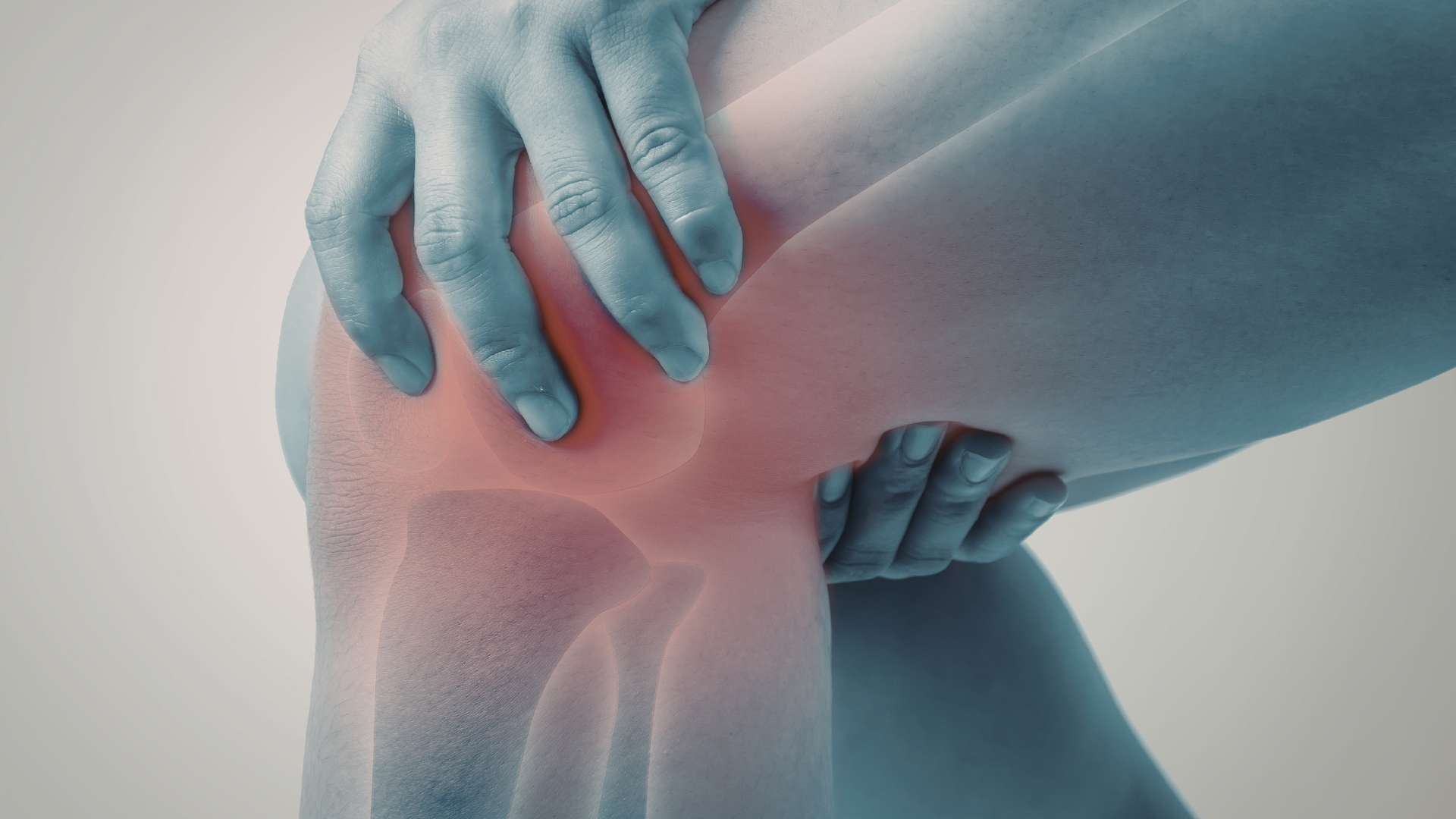
When people think about cannabinoids and health, conversations often focus on pain management, neurological conditions, or mental health. But emerging research is beginning to explore bone health as another area where cannabinoids may play a role.
A new scoping review published in Biomedicines examined the existing scientific literature on cannabidiol (CBD) and its potential effects on bone metabolism, bone healing, and skeletal health. While research is still in early stages, the review highlights several biological mechanisms that suggest cannabinoids may influence how our bones grow, repair, and maintain strength.
For individuals managing osteoporosis, fractures, inflammatory conditions, or age-related bone loss, this growing body of research offers intriguing insights into how the endocannabinoid system may interact with the skeletal system.
The Endocannabinoid System and the Skeleton
The endocannabinoid system (ECS) is a regulatory network in the body that helps maintain physiological balance across many systems, including immune function, inflammation, metabolism, and pain signaling.
Less widely known is that ECS receptors are also present in bone tissue, including in cells responsible for building and breaking down bone.
These cells include:
- Osteoblasts – cells that build new bone
- Osteoclasts – cells that break down bone
- Osteocytes – mature bone cells that regulate bone remodeling
Because cannabinoids interact with ECS receptors, researchers have become increasingly interested in whether compounds like cannabidiol (CBD) may influence bone remodeling and repair processes.
What the Review Examined
Researchers conducted a comprehensive search of major scientific databases and identified 24 studies investigating CBD’s effects on bone health. These included laboratory experiments, animal models, and mechanistic studies.
Across the studies, researchers examined several potential outcomes, including:
- Bone formation and mineral density
- Fracture healing
- Bone cell activity
- Inflammatory pathways affecting bone
- Oxidative stress and metabolic signaling
The goal of the review was to understand how CBD may interact with biological pathways involved in skeletal health.
Key Findings from the Research
Although human clinical trials are still limited, the review identified several consistent patterns across experimental studies.
CBD May Promote Bone Formation
Some studies suggest CBD may support the activity of osteoblasts, the cells responsible for forming new bone tissue. By influencing signaling pathways involved in bone growth, CBD may help promote bone-building processes.
This effect could be particularly relevant in conditions where bone formation is impaired, such as osteoporosis.
CBD May Reduce Bone Breakdown
Bone health depends on maintaining a balance between bone formation and bone resorption. Several studies in the review found that CBD may help suppress osteoclast activity, which could potentially reduce excessive bone loss.
This balancing effect is important because increased osteoclast activity is associated with many degenerative bone conditions.
CBD May Support Fracture Healing
A few experimental studies reported that CBD improved fracture healing in animal models, potentially by stimulating collagen production and improving bone strength during the repair process.
Collagen plays a critical role in bone structure, helping bones remain both strong and flexible.
Anti-Inflammatory Effects May Benefit Bone Health
Chronic inflammation is a major contributor to bone loss in many diseases, including arthritis and metabolic disorders.
CBD is widely studied for its anti-inflammatory and antioxidant properties, and several studies in the review suggest these effects may help protect bone tissue from inflammatory damage.
Why This Matters
Bone health is a critical but often overlooked component of overall wellness. Conditions such as osteoporosis, fractures, arthritis, and age-related bone loss affect millions of people worldwide.
As populations age, identifying therapies that support healthy bone remodeling and reduce fracture risk becomes increasingly important.
While CBD is not currently approved as a treatment for bone disease, research like this helps scientists better understand how cannabinoids interact with fundamental biological systems involved in tissue repair and inflammation.
These insights are especially valuable because the ECS appears to act as a regulatory hub across multiple physiological systems, meaning cannabinoids may influence health in ways researchers are only beginning to understand.
Important Limitations
Despite promising findings, several important caveats remain.
Most of the studies included in the review were:
- Preclinical studies (cell or animal models)
- Conducted with controlled experimental CBD formulations
- Focused on specific biological pathways rather than patient outcomes
This means we still need well-designed human subjects research to determine whether CBD may effectively support bone health in real-world settings.
As with many areas of cannabinoid research, the science is still evolving.
Practical Considerations for Individuals Exploring CBD
If you are considering CBD as part of your wellness routine, it’s important to approach it thoughtfully.
Helpful considerations include:
- Consult with a knowledgeable healthcare professional
- Start with low doses and increase gradually if appropriate
- Choose products that provide third-party testing for cannabinoid content and contaminants
- Monitor how your body responds over time
Because cannabinoid responses vary widely between individuals, personalized guidance is often helpful.
How Realm of Caring Supports Evidence-Based Cannabis Education
Navigating cannabinoid science can feel overwhelming, especially when research is evolving quickly and product information varies widely.
Realm of Caring is committed to bridging the gap between emerging research and real-world patient experiences. Our team provides education, resources, and personalized support for individuals exploring cannabinoid therapies.
Through our research initiatives and observational studies, we also work to advance scientific understanding of how cannabinoids impact health outcomes across many conditions.
If you have questions about cannabinoids, dosing considerations, or product selection, our care team is available to help guide you through the evidence and options available today.