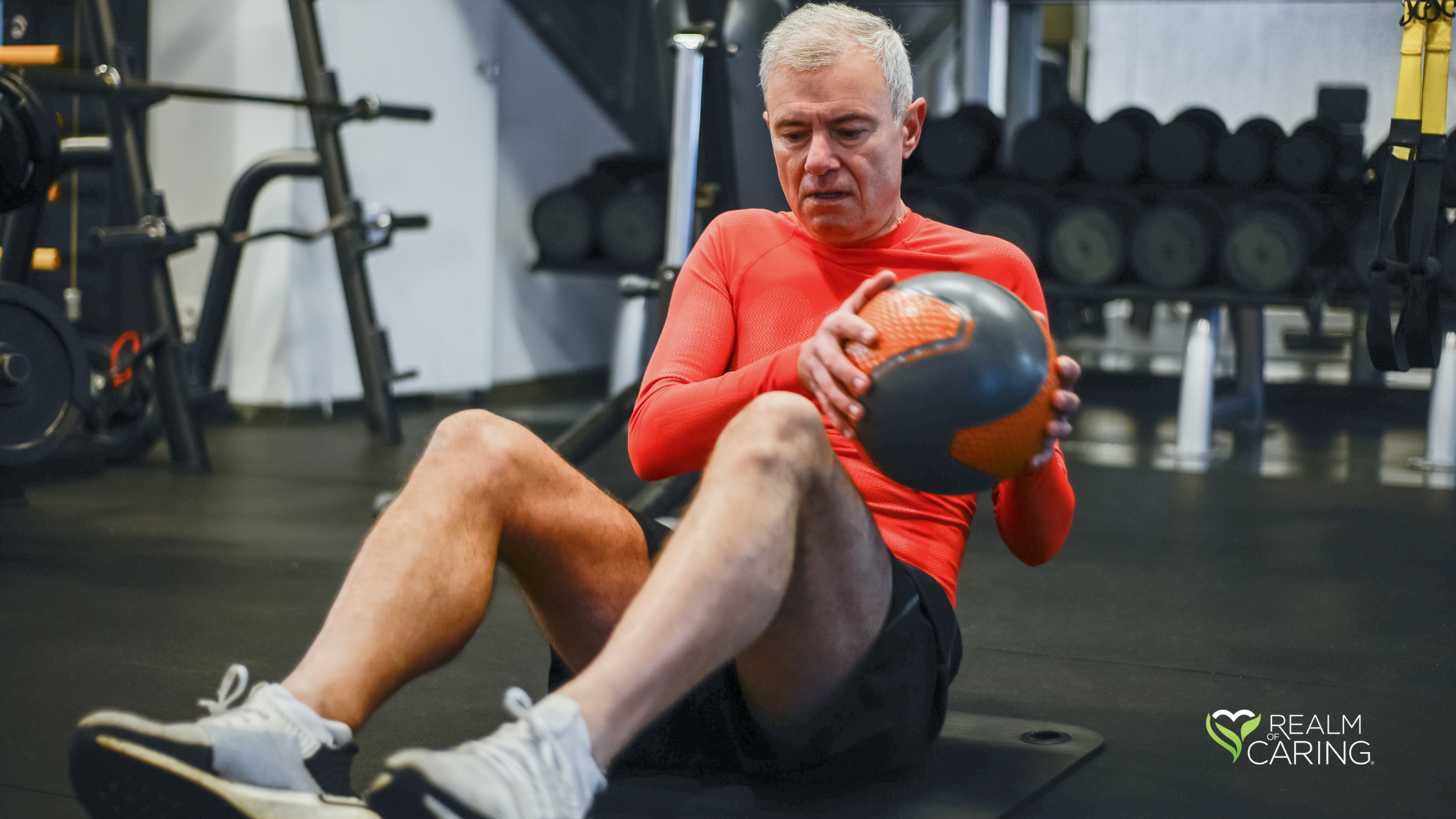
After a hard workout, your body enters a complex recovery phase. Micro-tears in muscle fibers trigger inflammation, immune signaling increases, and hormonal shifts begin the repair process. While these responses are normal, and necessary, they can feel uncomfortable and temporarily limit performance.
Some athletes and active individuals are exploring cannabinoids like CBD and THC as part of their recovery routines. Here’s what current research does (and does not) tell us.
The Endocannabinoid System & Inflammation
Cannabinoids interact with the body’s endocannabinoid system (ECS), a regulatory network involved in pain perception, immune balance, inflammation, and sleep.
Preclinical and emerging human research suggests that:
- CBD may modulate pro-inflammatory cytokines such as TNF-α and IL-6, which are elevated following intense exercise.
- Both CBD and THC may influence pain perception pathways, potentially reducing perceived soreness.
- Cannabinoids may support relaxation and sleep; which is a critical but often overlooked component of muscle repair and hormone regulation.
Survey-based research among athletes indicates many report using cannabis to support:
- Muscle soreness
- Inflammation management
- Sleep quality
- General recovery comfort
However, clinical trials directly measuring cannabis’s effects on muscle protein synthesis, performance outcomes, or objective recovery markers remain limited.
Importantly, masking discomfort is not the same as accelerating healing. Some experts caution that blunting pain signals could theoretically increase risk of overtraining if recovery time is shortened prematurely.
What the Research Doesn’t Yet Tell Us
- There’s limited clinical data on how cannabis affects muscle protein synthesis or long-term recovery.
- Effects vary widely based on dose, cannabinoid ratios, and consumption method.
- THC may help with sleep and deep relaxation but can also impair coordination or motivation if taken at high doses near training time.
How to Choose Products for Recovery
Rather than recommending specific strain names, it’s more reliable to focus on cannabinoid ratios, terpene content, dose, and timing.
Strain names are not standardized across states. A product labeled the same name in different regions may have entirely different chemical profiles. What matters most is the product’s Certificate of Analysis (COA).
For Inflammation & Post-Workout Soreness
Look for:
- CBD-dominant or balanced CBD:THC ratios (20:1, 10:1, 4:1, 2:1, 1:1)
- Moderate cannabinoid content
- Terpenes such as β-caryophyllene, myrcene, or linalool
Balanced formulations may offer synergistic effects while minimizing intoxication.
For Sleep & Deep Relaxation
Look for:
- Low-to-moderate THC doses (often 2.5–10 mg depending on tolerance)
- THC paired with CBD and/or minor cannabinoids such as CBN and CBG
- Terpenes such as myrcene or linalool
Lower doses of THC may reduce sleep latency for some individuals, while higher doses may impair next-day cognition or alter sleep architecture. Evening timing is generally more appropriate than pre-workout use.
For Non-Intoxicating Recovery Support
Look for:
- High-CBD formulations (20:1 or higher)
- Minimal THC per serving
- Topical products containing CBD ± THC
Topicals may provide localized relief without systemic psychoactive effects.
Dose & Timing Matter
- Start low and titrate gradually.
- Avoid high-THC products before training sessions.
- Monitor recovery trends rather than single-session effects.
- Prioritize sleep, nutrition, hydration, and mobility first.
Cannabinoids should complement foundational recovery strategies.
For Healthcare Providers Navigating Patient Conversations
As cannabis policy evolves and the conversations begin to emphasize whole-person care, providers are increasingly fielding questions about CBD and THC for recovery, chronic pain, and inflammation.
While cannabis is not currently reimbursed through insurance as a therapeutic, patient disclosure and safety conversations remain essential. Clinicians should consider:
- Potential drug–drug interactions
- Dose-dependent cognitive effects
- Fall risk in older adults
- Variability in product labeling
- Documentation of patient-reported outcomes
Education-based conversations, rather than endorsement or dismissal, are often the most clinically responsible approach.
Closing Summary
Cannabis is not a shortcut to faster gains. However, cannabinoids may play a supportive role in recovery by influencing inflammatory signaling, pain perception, and sleep; which are all central to tissue repair and performance sustainability.
The research base is growing but still developing. Individual response varies widely based on dose, formulation, training intensity, and overall health status.
For those considering cannabinoids as part of a recovery routine, reviewing lab reports and starting with balanced or CBD-dominant formulations may offer a thoughtful entry point.
For individualized guidance grounded in research (not marketing trends) Realm of Caring’s Care Team provides one-on-one educational support to help individuals and providers make informed decisions.