If you’ve spent any time exploring CBD, you’ve likely seen terms like full-spectrum, broad-spectrum, and CBD isolate. While they may sound interchangeable, these distinctions matter, especially for people seeking symptom relief without unwanted side effects.
Here we will break down what full-spectrum CBD actually means, why it includes THC, and whether THC always causes intoxication.
What Does “Full-Spectrum CBD” Mean?
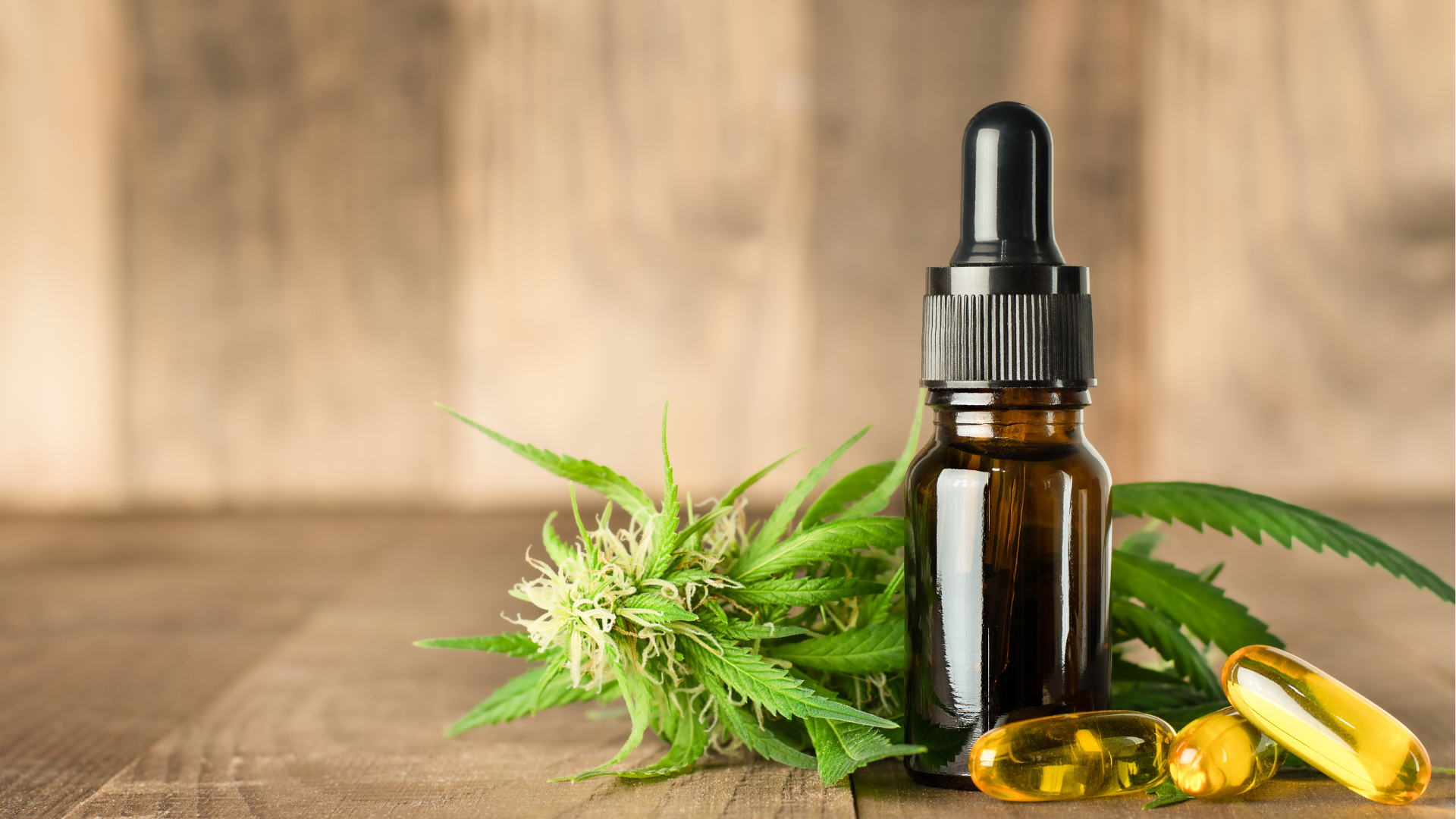
Full-spectrum CBD refers to a cannabis or hemp extract that contains the full range of naturally occurring compounds found in the plant, including:
- Cannabidiol (CBD)
- Trace amounts of tetrahydrocannabinol (THC)
- Minor cannabinoids (such as: CBG, CBC, CBN)
- Terpenes and flavonoids
Rather than isolating a single compound, full-spectrum products preserve the plant’s complexity. This is an approach many researchers believe enhances therapeutic potential through what’s known as the entourage effect.
What Is the Entourage Effect?
The entourage effect describes how cannabinoids and other plant compounds may work synergistically, influencing how each compound behaves in the body. In practical terms, this means:
- Lower doses may be effective
- Effects may feel more balanced
- Side effects (like anxiety or sedation) may be reduced
This is one reason many patients report better symptom relief from full-spectrum products compared to CBD isolate alone.
Why Is THC Included in Full-Spectrum CBD?
THC is often misunderstood as the compound responsible for feeling “high.” In reality, THC has been extensively studied for its therapeutic properties, including:
- Pain modulation
- Anti-inflammatory effects
- Muscle relaxation
- Nausea reduction
- Sleep support
Clinical research (including randomized controlled trials) has demonstrated THC’s role in reducing pain severity and improving symptom control in conditions like neuropathic pain, multiple sclerosis, and migraine. THC also interacts with the body’s endocannabinoid system, particularly CB1 and CB2 receptors, which are involved in pain signaling and inflammation regulation.
When used intentionally and at appropriate doses, THC may enhance therapeutic outcomes without producing intoxication.
THC Q&A
Q: Will THC Always Get Me High?
Short answer: No.
Long answer: It depends, just like many other substances.
Just as individuals respond differently to caffeine, supplements, pharmaceuticals, or even food, THC affects everyone differently.
Whether someone feels intoxicated depends on several factors, including:
- Dose (milligrams matter)
- Ratio of THC to CBD
- Method of consumption (ingested vs. inhaled vs. topical)
- Frequency of use and tolerance
- Body chemistry and metabolism
- Nutrition, hydration, and overall health
Many people consume therapeutic amounts of THC, particularly in low doses or in combination with CBD, without experiencing impairment or a “high.”
Q: What Is a Therapeutic Dose of THC?
There is no one-size-fits-all answer, but research and patient-reported data suggest that very small amounts of THC (often 0.5–3 mg orally) may provide symptom relief without intoxication for many individuals.
This is especially true when THC is:
- Paired with CBD
- Taken consistently rather than sporadically
- Used in formats that allow precise dosing
This concept is sometimes referred to as “microdosing THC”, and it is increasingly used by people seeking symptom relief while remaining fully functional.
Q: Why Do Some People Feel Anxious with THC?
THC can feel uncomfortable when:
- The dose is too high
- The product lacks balancing cannabinoids
- The person is cannabis-naïve
- The environment feels unsafe or stressful
These effects are not inevitable and are often preventable through education, thoughtful product selection, and conservative dosing.
Who Might Benefit Most from Full-Spectrum CBD?
Full-spectrum CBD may be especially helpful for individuals managing:
- Chronic pain or inflammation
- Migraine or headache disorders
- Anxiety related to physical symptoms
- Sleep disturbances
- Neurological or inflammatory conditions
That said, full-spectrum products are not appropriate for everyone – particularly those who must avoid THC entirely due to employment, legal, or medical reasons.
The Bottom Line
Full-spectrum CBD is not about getting high, rather it is about leveraging the plant’s full therapeutic potential. THC, when used responsibly and intentionally, is not merely an intoxicant but a clinically relevant compound with meaningful medicinal value.
Understanding your body, your goals, and your product choices makes all the difference. As with any wellness or medical decision, education, not fear, should guide the conversation.