For decades, much of the cannabis conversation centered on legitimacy. The questions were focused on whether cannabinoids have therapeutic value, if clinicians should be discussing them, if researchers should be studying them, and whether cannabis could ever fit within healthcare.
Questions are changing as cannabinoid therapy is increasingly appearing in clinical research, physician conversations, federal healthcare models, medication reviews and discussions about symptom management and quality of life.
Now we are faced with a new question: If cannabis becomes medicine, who gets to come with it?
Last week, we explored what cannabinoid therapy might need to move from the store shelf to the medical chart: documentation, education, referral pathways, measurable goals and communication with the healthcare team. None of that requires medicine to invent an entirely new system.
Healthcare already knows how to incorporate specialized services. A physician does not need to become a psychotherapist or dietitian to recognize when those services may benefit a patient. The clinician identifies the need, refers to appropriate expertise, remains responsible for the broader care plan and evaluates what happens next.
Cannabinoid therapy can fit into a similar model. The greater challenge may be making sure the pathway works all the way to the patient.
The Final-Mile Problem
Healthcare is full of interventions that technically exist but remain difficult to access.
A treatment may be covered, but no specialist is nearby.
A referral may be placed, but the next appointment is six months away.
A therapy may be medically appropriate, but too expensive.
A clinician may support an intervention, but the facility where the patient lives does not allow it.
These are final-mile problems: the healthcare system has created a pathway, but something breaks between the policy, the provider and the person it was intended to help.
Cannabinoid therapy is vulnerable to the same problem.
A patient could have a healthcare professional willing to discuss cannabinoids, a carefully selected product and a defined therapeutic goal and still be unable to access knowledgeable guidance, afford the product or use it where they live.
A pathway is only successful if the patient can actually reach the end of it.
Higher Standards Should Not Mean a Narrower Doorway
Bringing cannabinoid therapy into healthcare should improve safety. This means better product testing and labeling, more attention to drug interactions, better documentation, clearer dosing information, more research, and greater clinician involvement.
However raising standards does not have to mean raising barriers. If medical legitimacy ultimately requires every patient to access a rare specialist, afford an expensive pharmaceutical formulation or live in a community with sophisticated cannabinoid care, many of the people who might benefit from better oversight could be the very people excluded from it.
Therefore the answer is not lower standards, it is better system design.
Patients need multiple entry points into care, along with reliable places where clinicians can refer questions they do not have the time or training to answer themselves.
The Patient May Not Fit the Study, Either
There is another final-mile challenge: evidence.
Clinical trials are essential because they allow researchers to carefully study whether an intervention works under controlled conditions. But real patients are rarely controlled, which is why randomized clinical trials, observational studies, patient-reported outcomes and real-world evidence all have roles to play.
Patient experience does not replace rigorous research, but our evidence base must reflect the patients who will eventually be asked to use that evidence.
Access Can Fail Even After the Clinical Decision Is Made
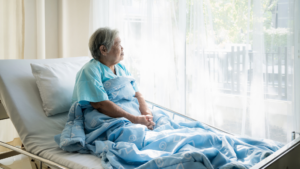
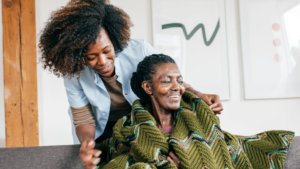
Consider an older adult living in a residential care setting. Their healthcare professional knows they use CBD, their medications have been reviewed, and their family is involved. But the facility says the product is prohibited.
At that point, the clinical conversation may have gone well but the breakdown happened somewhere else.
The same can happen because of geography, cost, state law, institutional policy or a lack of knowledgeable providers. These are not reasons to abandon medical integration but to design it more carefully. Medicalization should raise standards without creating unnecessary distance between the patient and the care.
Build the Pathway Around the Patient
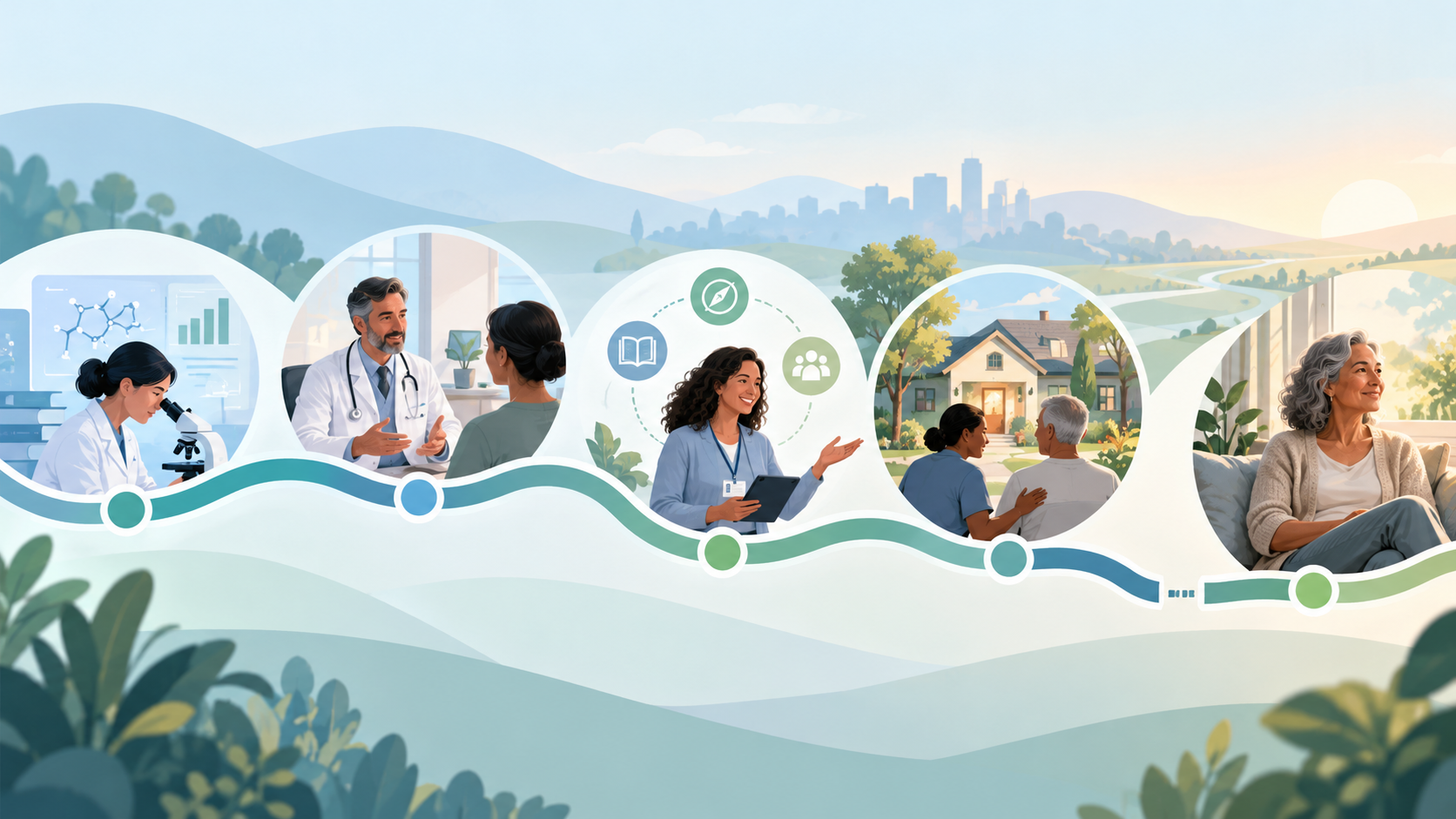
A more inclusive model is not difficult to imagine because the physician does not need to become a cannabinoid expert and the patient does not need to navigate it alone. Healthcare professionals are able to document use, identify medical risks and retain responsibility for the patient’s broader care.
Specialized educators and navigators complement by helping patients understand cannabinoid options, product information and questions to bring back to their clinicians. And researchers can measure outcomes in the real world so that the information can move in both directions.
That is where organizations like Realm of Caring can help fill the space between access and healthcare, by providing free education and navigation while helping clinicians, researchers, patients and caregivers communicate with one another.
The goal is not to preserve cannabis exactly as it exists today, nor is it to force every therapeutic use into one narrow pharmaceutical pathway. Rather, the goal is to create a healthcare system capable of recognizing therapeutic use, protecting patients, measuring meaningful outcomes and preserving reasonable access.
For a long time, the question was whether cannabis could become medicine. The next question may be more important: Can we build the pathway all the way to the patient?
Because cannabis becoming medicine should bring more people into healthcare, not leave the hardest-to-serve patients standing outside the door.