
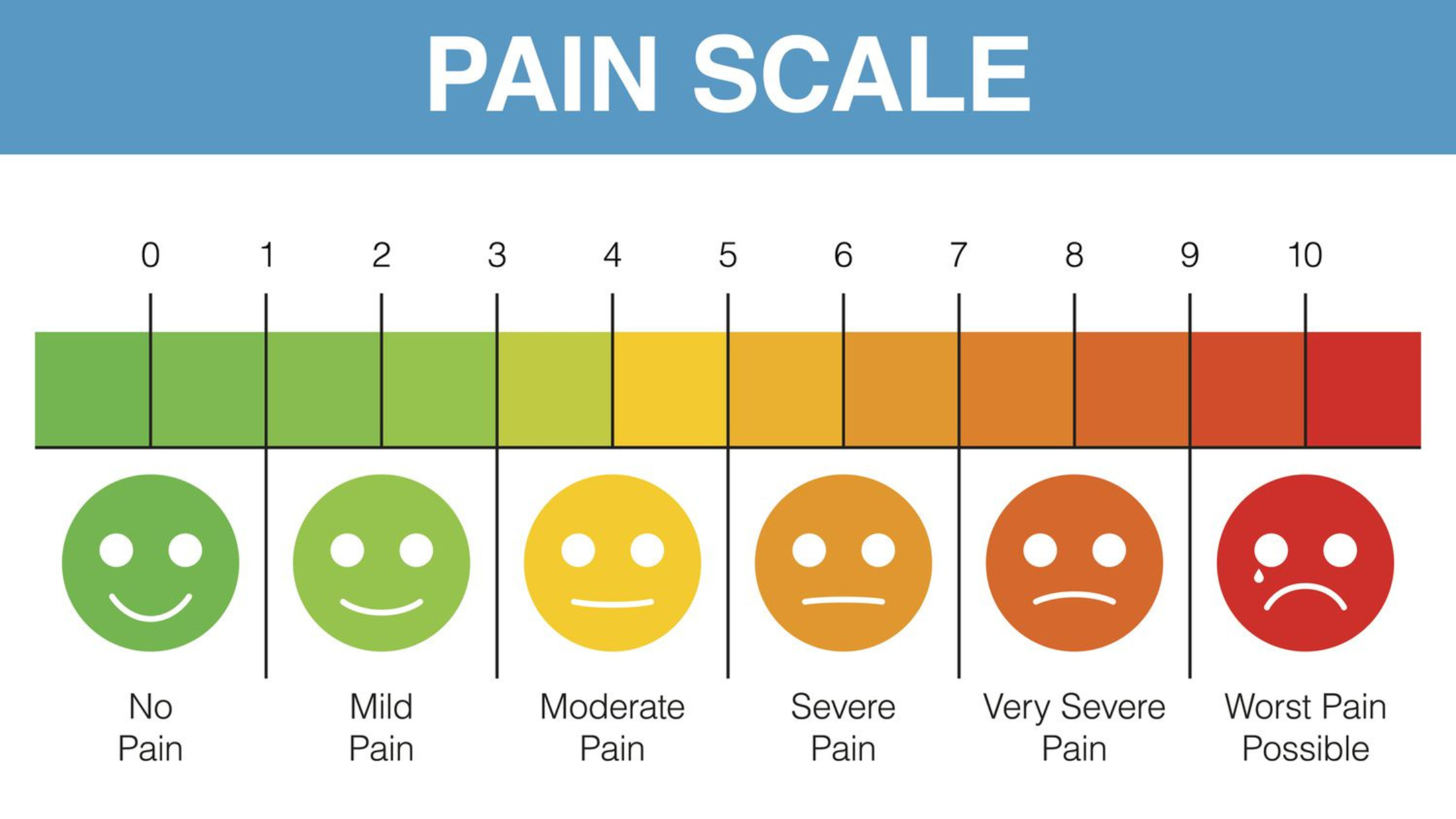
“How would you rate your pain from 0 to 10?”
For anyone living with chronic pain, it is a familiar question.
And an important one.
But it may not tell us the whole story.
Imagine two people who both rate their pain a 6 out of 10. One is sleeping through the night, working and spending time with family. The other is waking repeatedly from pain and struggling to complete everyday activities.
Same number. Very different lives. These differences become especially important as researchers try to understand the role cannabis and cannabinoids could play in chronic pain care.
If we only ask whether a treatment lowered someone’s pain score, we may miss other changes that matter deeply to the patient.
Did they sleep better? Could they move more easily? Did pain interfere less with work or family life? Did their quality of life improve? Were there side effects that outweighed the benefits?
These are the kinds of questions patient-reported outcomes can help answer.
What Is a Patient-Reported Outcome?
A patient-reported outcome, or PRO, is information about a person’s health that comes directly from the patient, without a clinician or researcher interpreting the response first.
PROs can capture symptoms, physical functioning, sleep, emotional well-being, treatment effects and quality of life.
Pain is a particularly good example of why they matter.
An X-ray may show structural changes. A physical exam may identify limitations. But neither can tell us exactly how much pain another person feels or how that pain affects their daily life.
For symptoms such as pain, the patient is an essential source of information.
That does not mean every self-reported experience proves a treatment works. It means some outcomes can only be understood by asking the person experiencing them.
Pain Intensity Is Only Part of the Picture
One useful distinction is between pain intensity and pain interference.
Pain intensity asks: How much does it hurt?
Pain interference asks: What is the pain preventing you from doing?
A treatment might only modestly reduce pain intensity while allowing someone to sleep longer, walk farther or participate more fully in everyday activities.
The reverse can also happen. A person’s pain score may improve while side effects such as dizziness or sedation make it harder to function.
This is why chronic pain researchers have long recommended measuring more than pain alone. The Initiative on Methods, Measurement, and Pain Assessment in Clinical Trials (IMMPACT), for example, recommends considering physical and emotional functioning, patients’ overall impressions of improvement, adverse effects and treatment satisfaction alongside pain.
When researchers asked 959 people living with chronic pain which outcomes mattered to them, participants identified not only pain reduction, but enjoyment of life, emotional well-being, fatigue, weakness and sleep.
They were describing something broader than analgesia.
They were describing what it means to live better with pain.
Why Does This Matter for Cannabis Research?
As we discussed in Cannabinoids for Chronic Pain: What Current Research Tells Us, evidence suggests certain cannabinoid formulations may produce modest improvements in chronic pain for some patients.
But “modest improvement” raises another question: What are we measuring?
Suppose someone’s pain changes from a 7 to a 6. Looking only at that number, relatively little may appear to have happened.
But what if that person also begins sleeping through the night? What if they can stand long enough to cook dinner again? What if pain occupies less of their attention during the day?
Or what if their pain score improves, but side effects make them too tired or dizzy to do the things they want to do?
Those are very different treatment experiences.
Patient-reported outcomes help researchers see the difference.
Looking Beyond Pain Scores
Some real-world cannabis research is already taking this broader approach.
A prospective observational study of 751 people with chronic pain who initiated medical cannabis treatment measured pain alongside physical and mental health. Researchers reported improvements in pain severity and interference as well as broader health measures over 12 months.
The Quebec Cannabis Registry similarly collected information from nearly 3,000 adults using medical cannabis, including patient-reported pain, symptom burden and health-related quality of life. Improvements were observed across several measures during follow-up.
Australia’s QUEST Initiative has also examined health-related quality of life alongside pain, fatigue, sleep, anxiety and depression in people prescribed medicinal cannabis. Follow-up research reported improvements across several of these patient-reported domains.
These findings are useful. But there is an important caveat.
These are observational data. They can show us what happened among patients receiving cannabis in real-world settings, but they cannot necessarily tell us that cannabis caused those changes.
Expectations, other treatments, differences among patients, loss to follow-up and variation in cannabis products can all influence results.
Patient-reported does not mean scientifically weak. But patient-reported does not automatically mean causal either.
The strongest evidence comes from pairing meaningful patient-centered outcomes with rigorous study design.
Does a Statistically Significant Change Actually Matter?
There is another distinction worth making.
A study can find a statistically significant change without that change necessarily being meaningful to the person receiving treatment.
With enough participants, researchers can sometimes detect very small differences. But patients and clinicians need to know something else: Was the change large enough to matter?
Pain researchers refer to this idea as clinical importance. IMMPACT recommendations emphasize interpreting whether changes represent meaningful improvements alongside conventional statistical results.
This is especially relevant to cannabinoid therapy; becasue cannabis does not need to eliminate pain completely for someone to experience a meaningful benefit.
At the same time, any numerical improvement does not automatically mean a treatment was worthwhile.
The more useful question is whether the balance of symptom relief, function, side effects and treatment burden resulted in an improvement that mattered to the patient.
Patient-Reported Outcomes Are Not Testimonials
This distinction is important in cannabis research.
Patient experiences matter. But an individual story cannot tell us how likely another person is to experience the same result.
Patient-reported outcome research collects those experiences systematically using consistent questions, defined time points and validated measures.
Instead of simply asking: “Did this person say cannabis helped?”
Researchers can ask:
Did pain interference improve across hundreds of patients?
Did sleep improve alongside pain?
Were improvements sustained?
Which patients stopped treatment, and why?
What adverse effects occurred?
Those are questions science can investigate. And they are much closer to the questions patients actually need answered.
Better Cannabis Research Requires Better Questions
Cannabis research has often been reduced to overly broad questions:
- Does cannabis work for pain?
- Does CBD work?
But chronic pain is not one condition. Cannabis is not one intervention. And treatment success is not one outcome.
A more useful question might be:
- Which cannabinoid formulation, at what dose and by what route, helps which patients, with which types of pain and what aspects of their lives actually improve?
This is also why treating cannabinoid therapy like healthcare matters.
As we explored in What Happens When Cannabinoid Therapy Is Treated Like Healthcare?, coordinated care creates opportunities to monitor not just cannabis use, but what happens afterward: symptoms, function, medications, adverse effects and quality of life.
And because cannabinoids may also interact with prescription medications, treatment outcomes should never be considered in isolation. Our guide to Cannabis and Prescription Drug Interactions explains why medication monitoring can be an important part of individualized cannabinoid care.
The Patient Is a Source of Data
At Realm of Caring, we have spent more than a decade listening to patients and families navigating cannabinoid therapy.
Their experiences vary enormously. That variability is exactly why systematic research matters.
A single patient experience cannot establish that cannabis treats chronic pain. But when patient experiences are collected carefully and paired with information about products, doses, health conditions, medications and outcomes, they can help researchers identify patterns worth investigating.
The goal is not to replace controlled clinical research with patient stories.
It is to make sure clinical research is asking questions that reflect what patients actually experience.
When someone living with chronic pain says:
“I can sleep again.”
“I can work a few more hours.”
“I still hurt, but pain doesn’t control as much of my day.”
Or: “This treatment didn’t help me.”
Those statements should not automatically be treated as proof. But they should not be treated as noise either. They are outcomes.
And when we measure them carefully, they can help us build better evidence.
Pain may be represented by a number. Living with pain cannot be.
Want to Help Build the Evidence?
Realm of Caring supports research designed to better understand how cannabis and cannabinoid use relates to health and quality of life in real-world populations.
Learn more about Realm of Caring-supported research opportunities or connect with Realm of Caring’s Care Team for free, one-on-one education and support.
This information is provided for educational purposes and is not intended to diagnose, treat, cure or prevent any disease or replace individualized medical advice. Talk with your healthcare professional before beginning, stopping or changing any therapy.